
SUSTAINABILITY
Commited To The Future
PEOPLE $ CULTURE
Its Not Just About Coffee
kempolo Village’s goal is to be the finest, most environmentally conscious coffee farm in Northern Uganda,
with uncompromising commitment to quality in every step of cultivation and processing, and the ultimate
dedication to our employees and to our customers.
We seek to connect the world to Uganda and reveal all of its beauty within a perfect cup of coffee.
We believe in environmental
responsibility
Agroforestry & Reforestation
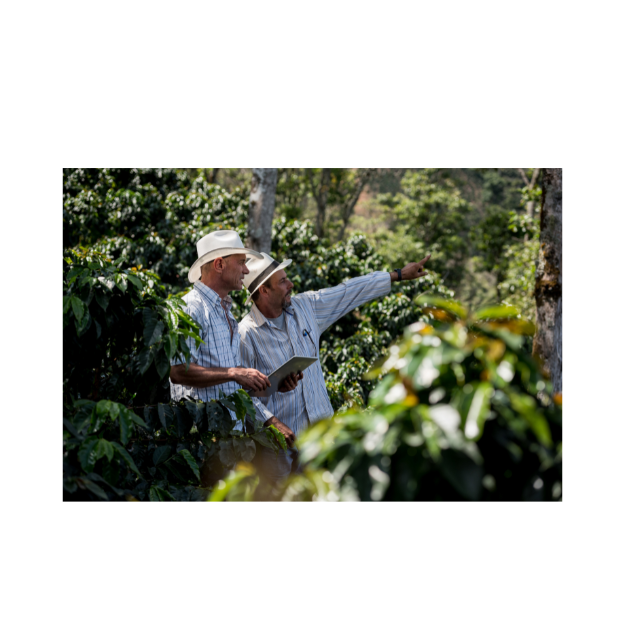
At kempolo Village estate we feel a firm responsibility to preserve the environment in which we grow coffee, and we strive to minimize our impact as much as possible. Our agroforestry farming approach seeks to strike a balance between the commercial management of the farm and the original environment of the land, honoring our setting while producing a superior-quality coffee.
When we arrived at the land on which we built Gesha Village, about 25 percent of the land had been deforested. We paid special attention to revitalize the terroir with native trees that would function best in this environment. We conducted an environmental study from an agroforestry expert to advise us. We planted these trees at a moderate density of 2,000 trees per hectare, pairing them with more than 30,000 native shade trees to provide the proper balance of biodiversity and create a sustainable ecosystem for the coffee.
A careful approach to Water wastage
We regard water as a vital natural asset, and the processing techniques we adopt are designed to conserve it responsibly. In our washed coffee processing, we utilize advanced eco-pulpers and demucilagers to minimize the amount of water drawn from surrounding rivers. We also operate a recirculation system to strengthen our conservation efforts, supported by a comprehensive natural treatment process that purifies all wastewater before release.
Repurposing Material
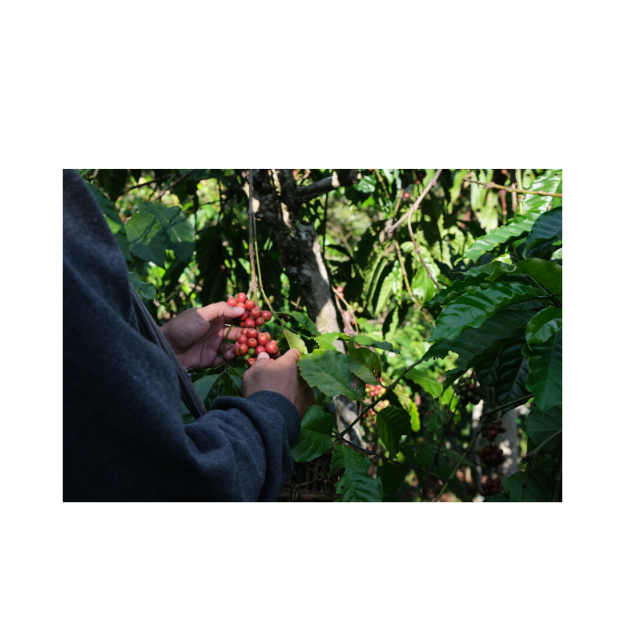
We place strong emphasis on the reuse and recycling of materials across our operations. All coffee pulp produced during our washed-process coffees is composted and returned to the soil to enrich farms naturally. With the installation of improved hulling equipment in 2025 for our natural-process coffees, we are able to repurpose dried coffee husks for farm mulching and as a source of sustainable fuel, ensuring minimal waste and greater environmental responsibility.
Additionally, we have launched a large-scale composting program that processes 300 tons of compost each year, turning our coffee waste and other organic materials into nutrient-rich additives that can help our coffee plants thrive. In 2022 we also started exploring underutilized sustainable building materials and are currently in the prototype stage of constructing an all-bamboo house at the farm. We’ve brought in an expert team from Bali to design and build this structure in addition to facilitating skill sharing workshops with our workers.
Farmer-to-Farmer Workshop
Gubalangi means “let’s relax and converse” in the Meanit language. In 2017, we started a yearly farmer-to-farmer think tank workshop, titled Gubalangi, providing educational opportunities and information exchange to farmers. Hosted at the farm, these workshops are led by Gesha Village’s management team as well as visiting local and international specialty-coffee experts. The goal is to provide Ethiopian coffee farmers with information on farming best practices, challenges, and solutions, helping them work and grow together as a whole for the growth of the country’s coffee industry.
When we arrived at the land on which we built Gesha Village, about 25 percent of the land had been deforested. We paid special attention to revitalize the terroir with native trees that would function best in this environment. We conducted an environmental study from an agroforestry expert to advise us. We planted these trees at a moderate density of 2,000 trees per hectare, pairing them with more than 30,000 native shade trees to provide the proper balance of biodiversity and create a sustainable ecosystem for the coffee.
Honey Production
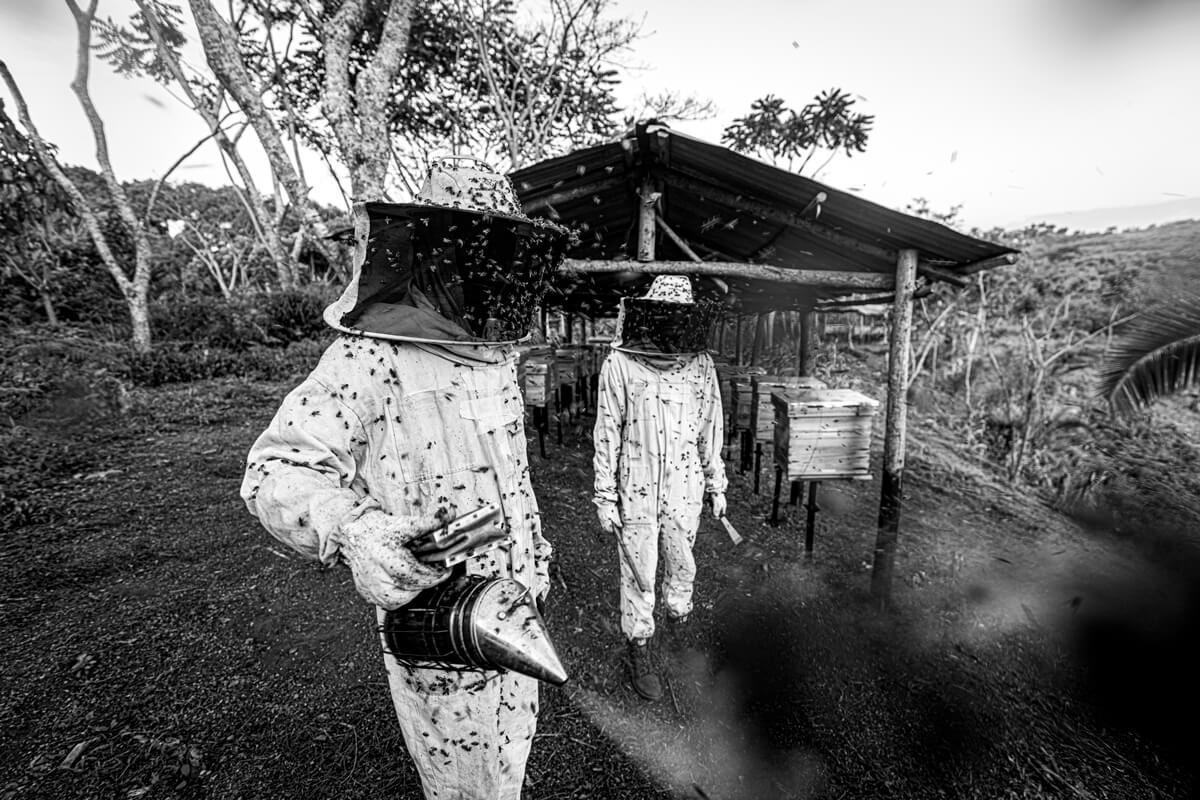
In 2021, Kempolo Coffee introduced a beekeeping initiative within our coffee landscapes, starting with 150 modern hives. Today, the project is producing high-quality honey while strengthening our commitment to environmental stewardship. Beyond honey production, beekeeping supports natural pollination across our coffee farms and plays a vital role in protecting and sustaining local bee populations. As the program grows, so does its positive impact on our land and communities.
We believe in environmental
responsibility
NEWS LETTER
By joining, you agree to our terms and privacy policy.